

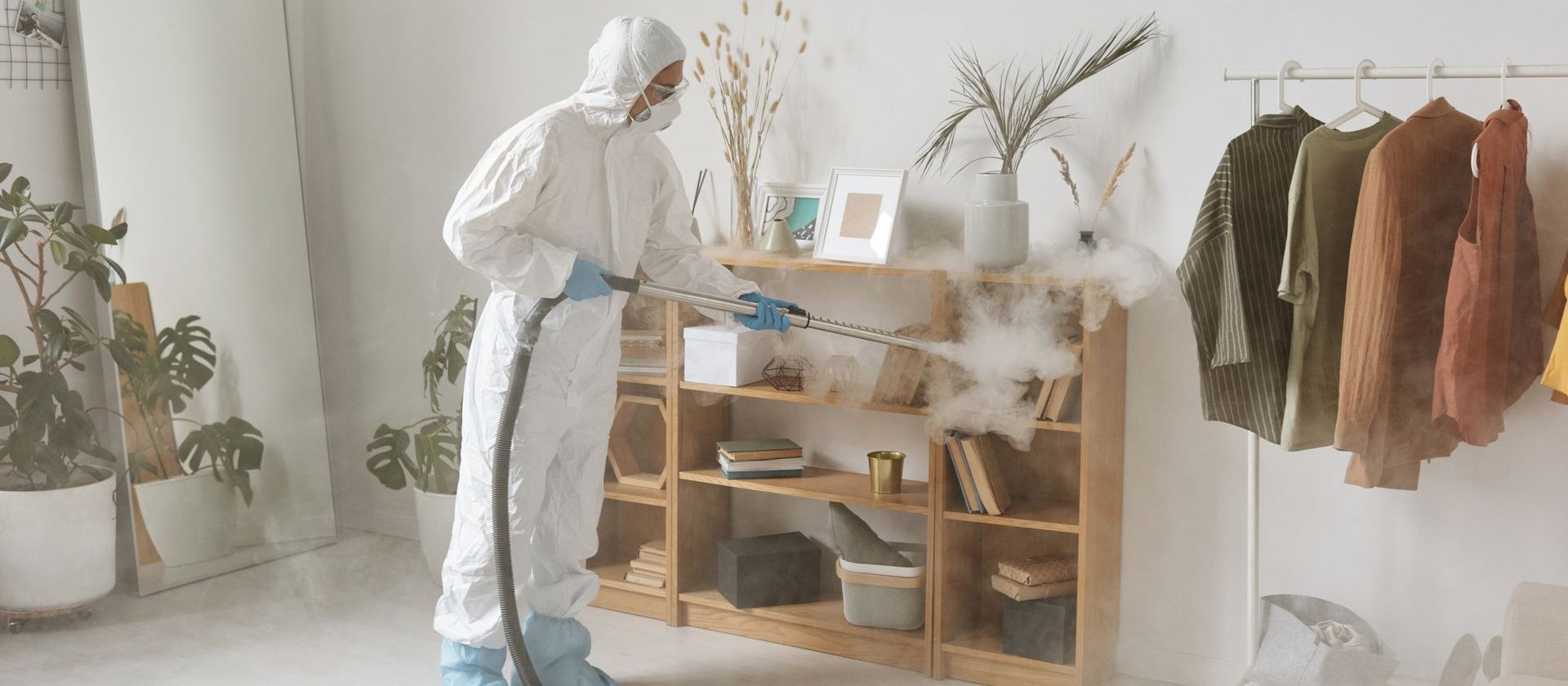

What we deal with
Most calls we get in the Western Cape come down to a handful of usual suspects. Argentine ants and brown house ants march indoors as soon as the winter rain starts, while German cockroaches settle into kitchens and American cockroaches come up from drains and sewers. Norway rats, roof rats and house mice are year-round problems, and in the Southern Suburbs the grey squirrel adds itself to the list by moving into ceilings. Summer brings house flies, blowflies, Culex mosquitoes and the invasive European paper wasp, which builds under gutters and in garden furniture. Then there are the quieter ones: cat fleas from pets, bed bugs carried home in luggage, fishmoths in cupboards and wood borer beetles working away in roof timbers.
Signs to look for
Tick every sign you have noticed. It takes ten seconds.
Why it matters: Rodents carry leptospirosis and salmonella, and they chew through electrical wiring, which is a genuine fire risk in roof spaces. Cockroaches and flies move bacteria from drains and bins onto food surfaces, and cockroach droppings are a known asthma trigger, especially for children. Wood borer can weaken roof timbers over years and can hold up a property sale when the beetle certificate fails. For businesses, a single sighting by a customer or a health inspector can cost far more than the treatment would have.
How we treat it
We start with an inspection, because the right answer for ants is different from the right answer for rats, and guessing wastes money. Where we can, we go least-toxic first: gel baits for cockroaches and ants, tamper-resistant bait stations and snap traps for rodents, and insect growth regulators that break the breeding cycle. Residual sprays and dusts are applied only where they are needed, such as wall voids, cracks and roof spaces, not sprayed across every surface. Proofing is part of the job, so we point out or seal the gaps that let pests in. You get a post-treatment report so you know what was used and where.
- Tell us what you are seeing
Phone 021 012 5825 or send a photo on WhatsApp and we will help identify the pest before anyone visits.
- Inspection
A technician looks for the source, the extent of the problem and the entry points, not only the pests you can see.
- Treatment plan
We explain what we propose to use, where, and what you need to do before and after, with a free quote.
- Targeted treatment
We treat with the least-toxic effective products, focused on harbourage and entry points.
- Report and follow-up
You get a post-treatment report and a minimum 3-month guarantee, with a follow-up visit where the pest calls for it.
Things most people don't know
A common mistake is treating the pest you see and ignoring where it comes from. Ants on the counter may be nesting under the patio, and killing the trail without reaching the nest just means a new trail next week.
People often assume that a clean house cannot have pests. Rodents and cockroaches care about warmth, shelter and access, and even a spotless home can give them all three through a gap behind the stove.
The first thing a technician checks is not the pest itself but the evidence around it: droppings, rub marks, nests and entry points. That tells us how long the problem has been there and how far it has spread.
When it peaks in Cape Town
Cape Town's wet winters push ants, rodents and fishmoths indoors looking for dry shelter, and May to August is when most rat and mouse calls come in. The hot, windy summers bring flies, mosquitoes, fleas and wasps, with paper wasp nests at their biggest from about January to March. Cockroaches are active all year in heated kitchens, so they do not follow the seasons as neatly.
DIY or call a professional?
For a few ants on the kitchen counter, a supermarket bait can do the job and we will happily tell you so. Where DIY usually falls apart is with rodents, German cockroaches and bed bugs, because sprays scatter them and the infestation spreads into new rooms. If you have treated twice and it is back, that is your sign to call someone who can find the source.
What affects the price
The price depends on what pest you have, how big the property is and how established the infestation has become. Access matters too, so a roof void you can crawl through is quicker than one you have to work through from a single small hatch. Some pests need a follow-up visit to finish the job, and businesses on a regular service contract are priced differently from a once-off call-out, so we always quote after hearing the details.
Preventing it coming back
- Keep food in sealed containers, and do not leave pet food out overnight, since it feeds ants, cockroaches and rodents equally.
- Seal gaps around pipes, under doors and where cables enter the house; a mouse needs a gap about the width of a pencil.
- Cut back branches and creepers touching the roof, because that is the highway rats and squirrels use to get in.
- Keep bins closed and rinse them out in summer to cut down on flies and maggots.
- Fix dripping taps and leaks, as cockroaches and fishmoths go where the moisture is.
- Check luggage and second-hand furniture before it comes into the bedroom to avoid bringing bed bugs home.
Frequently asked questions
Is your pest control safe for children and pets?
We use the least-toxic effective option first and place baits in tamper-resistant stations or in cracks where children and pets cannot reach. We will tell you if anyone needs to stay out of a room and for how long.
How soon can you come out?
Our average turnaround is about 48 hours, though it varies with the season. After-hours and weekend visits can be arranged on request.
Do you give a guarantee?
Yes, there is a minimum 3-month guarantee on our treatments. If the pest returns in that time, we come back.
Do I need to leave the house during treatment?
For most treatments, no, especially baiting and trapping. For some spray or fogging work we may ask you to stay out of the treated area for a few hours.
Can you identify a pest from a photo?
Usually, yes. Send a clear photo on WhatsApp to 021 012 5825 and we will tell you what it is and whether it needs treatment.
Which areas do you cover?
We cover Cape Town and the Boland, working out of Brackenfell in the Northern Suburbs. Phone us with your suburb and we will confirm.
How long does a service visit take?
A typical household visit takes about an hour, longer for larger properties or roof void work. We will give you an idea when we book.
What is in the post-treatment report?
It lists what we found, the products used and where, any safety notes and practical recommendations such as gaps to seal.
What if the pest comes back after the visit?
Our treatments carry a minimum 3-month guarantee, so if the treated pest returns within that period we come back to sort it out.
Pest Control by area
We cover all of these suburbs from our base in Brackenfell. Pick yours for local advice.


