


What we deal with
The bed bug found in Cape Town homes and accommodation is the common bed bug, Cimex lectularius, a flat, reddish-brown insect about the size of an apple pip when fully grown. Young nymphs are tiny and almost see-through until they feed, which is why early infestations are so easy to miss. Bat bugs and swallow bugs look very similar and can bite people when bats or swallows nest in a roof, so a close look under magnification matters before treating. Bed bugs do not jump or fly; they walk, and they hitch rides in luggage, handbags, second-hand furniture and moving boxes. Hotels, backpackers, student residences and Airbnb units along the tourist routes see the most introductions, but any home that takes in guests or bought furniture can be affected.
Signs to look for
Tick every sign you have noticed. It takes ten seconds.
Why it matters: Bed bugs are not known to spread disease, but their bites cause itching, rashes and sometimes strong allergic reactions. The bigger impact is often on sleep and peace of mind, and many people struggle with anxiety until the problem is clearly resolved. For guest houses, hotels and short-term rentals, a single guest review mentioning bed bugs can cost bookings for months. Infestations also spread to neighbouring rooms and flats through wall voids and plug points if they are left.
How we treat it
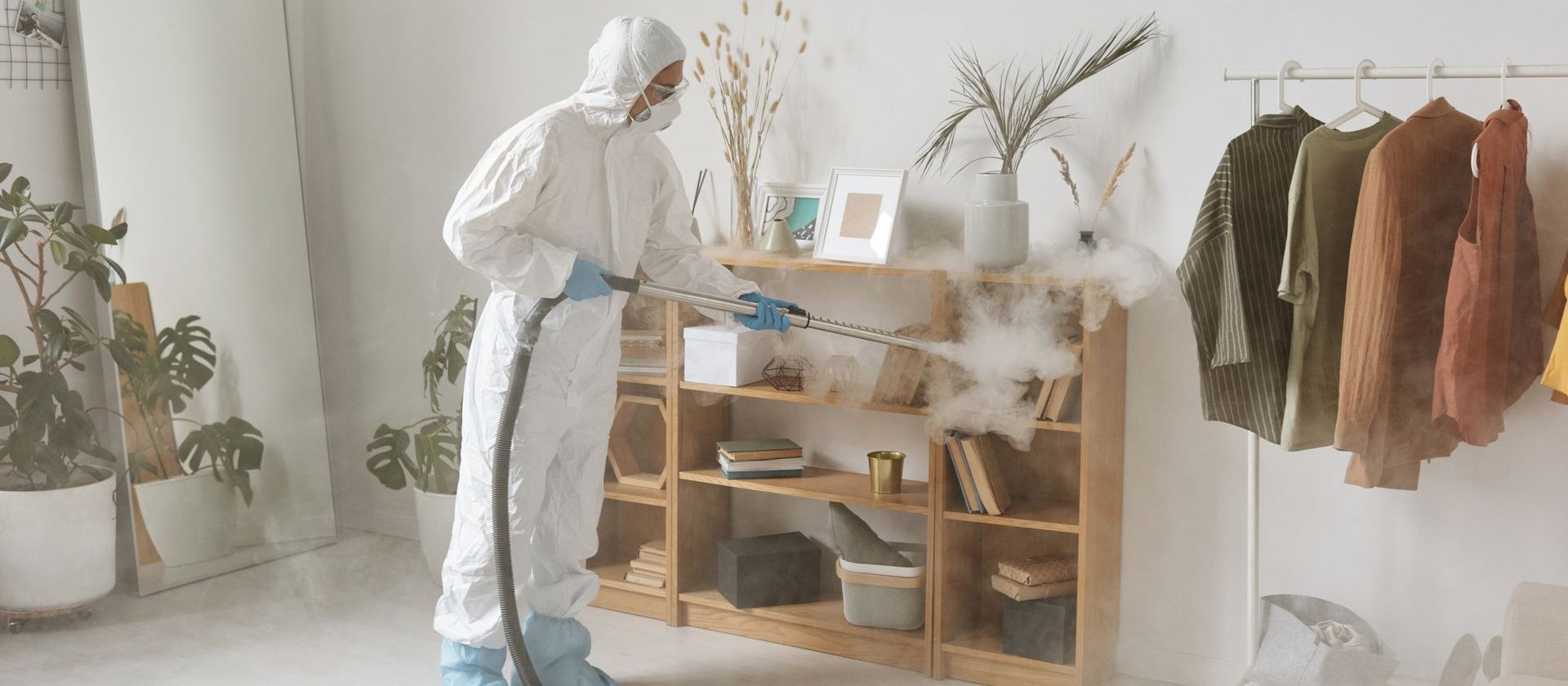
Control starts with a thorough inspection of beds, frames, headboards, bedside furniture, skirting, plug points and curtain folds, and where there is doubt we confirm the insect under magnification. Once confirmed, we treat with targeted crack and crevice application of residual insecticides and insecticidal dusts into the hiding spots, and we use monitors under bed legs to track whether activity drops. Bed bugs have developed resistance to some common insecticides, so we rotate product types rather than relying on a single spray. Prevention advice for travel, guests and furniture purchases is part of the job, because reintroduction is the main reason people get them again.
- Inspection
We check beds, furniture, skirting and nearby rooms to confirm bed bugs and map how far they have spread.
- Identification
Doubtful specimens are checked closely to rule out bat bugs, swallow bugs or other insects.
- Targeted treatment
Residual products and dusts go into seams, joints, cracks and voids where the bugs hide.
- Monitoring
Interceptor monitors under bed legs and follow-up checks show whether bugs are still active.
- Follow-up and report
A return visit deals with any newly hatched nymphs, and you receive a report with prevention advice.
Things most people don't know
A popular myth says bed bugs only come out in total darkness. They prefer night, but hungry bed bugs will feed in daylight, especially in a room used for daytime naps or a night-shift worker's bedroom.
The first place an experienced technician looks is not the middle of the mattress but the piping along its edges, the joints of the bed base and the screw holes in the headboard.
Moving infested furniture out of a room without wrapping it in plastic first is one of the most common ways people spread bed bugs to the rest of the house.
When it peaks in Cape Town
Bed bugs live indoors and do not follow Cape Town's weather the way fleas and mosquitoes do. We see more calls after the December and Easter holidays and through the tourist season, when more people are travelling and staying in shared accommodation. Warm summer temperatures do speed up their breeding, so a small problem grows faster in January than in July.
DIY or call a professional?
Hot washing, tumble drying and a mattress encasement are genuinely useful things you can do yourself. Store-bought foggers are a bad idea with bed bugs, because they drive the insects deeper into walls and into the next room, making a professional job harder. If you have confirmed bed bugs, call someone in early; this is one pest that rarely goes away on its own.
What affects the price
Cost depends on how many rooms and beds are affected, how much furniture and clutter is involved, and whether neighbouring rooms or units need inspecting. Most bed bug jobs need at least one follow-up visit, and monitoring adds to the value of the work. Guest houses and landlords can also arrange regular inspections under a contract, and we always give a free quote first.
Preventing it coming back
- When travelling, check the mattress seams and headboard before unpacking, and keep luggage on a rack away from the bed.
- Unpack straight into the washing machine after a trip and tumble-dry clothes on a hot setting before putting them away.
- Never bring a second-hand mattress, bed base or upholstered chair home without inspecting every seam and joint first.
- Use a light-coloured, zip-up mattress encasement so any bugs are easy to spot and cannot hide inside the mattress.
- Guest houses should train housekeeping staff to check seams and headboards on every room change.
- Reduce clutter under and around beds, because every box and pile is another hiding place.
Frequently asked questions
How do I know it is bed bugs and not something else?
Look for droppings, shed skins and live bugs along mattress seams and bed frame joints. Bites alone are not proof, so send us a photo of anything you find and we will confirm it.
Can I get bed bugs from a hotel?
Yes, travel is the most common way they spread. Checking the bed before unpacking and keeping luggage off the floor makes a big difference.
Do bed bugs mean my house is dirty?
No. Bed bugs feed on blood, not dirt, and they turn up in very clean homes and expensive hotels.
Should I throw away my mattress?
Usually not. Mattresses can be treated and sealed in an encasement, and dragging an infested mattress through the house can spread the bugs further.
How long does it take to get rid of them?
Most homes are clear after two or three visits over several weeks, depending on how established the infestation is and how well the preparation is done.
Can you check my guest house regularly?
Yes, we can arrange routine inspections and monitoring as part of a contract, which catches new introductions before guests notice.
How long must we stay out of the room?
Typically a few hours until treated surfaces are dry. You can sleep in the room that night, and we actually want you to.
Why do you need to come back?
The eggs are protected and hatch over the next one to two weeks. The return visit kills those nymphs before they can breed.
What do I do with clothes in the cupboard?
Wash and tumble-dry them on hot, then keep them sealed in bags until treatment is complete. Items that cannot be washed can often go in a hot tumble dryer for a cycle.
Bed Bug Control by area
We cover all of these suburbs from our base in Brackenfell. Pick yours for local advice.
