


What we deal with
Almost every flea job in Cape Town and the Western Cape involves the cat flea, Ctenocephalides felis, which despite its name is just as happy on dogs and will bite people when it gets hungry. The dog flea (Ctenocephalides canis) does occur but is far less common in urban homes. On smallholdings and farms around the Boland we occasionally find sticktight fleas on poultry, and rodent fleas can turn up when rats or mice have been nesting in a roof. Flea larvae are tiny, pale and worm-like and live deep in carpet and floor cracks, feeding on the dried blood droppings of the adults. The pupal stage sits inside a sticky cocoon and can wait for weeks until it senses vibration or warmth, which is why empty houses can come alive with fleas when people move in.


Signs to look for
Tick every sign you have noticed. It takes ten seconds.
Why it matters: Flea bites cause intense itching and many people and pets develop allergic dermatitis that leads to broken skin and infection. Fleas carry the dog and cat tapeworm, which pets pick up by swallowing infected fleas while grooming. Heavy infestations can cause anaemia in puppies, kittens and older animals. For rental properties and holiday lets, a flea problem left by previous occupants is a common source of complaints.
How we treat it
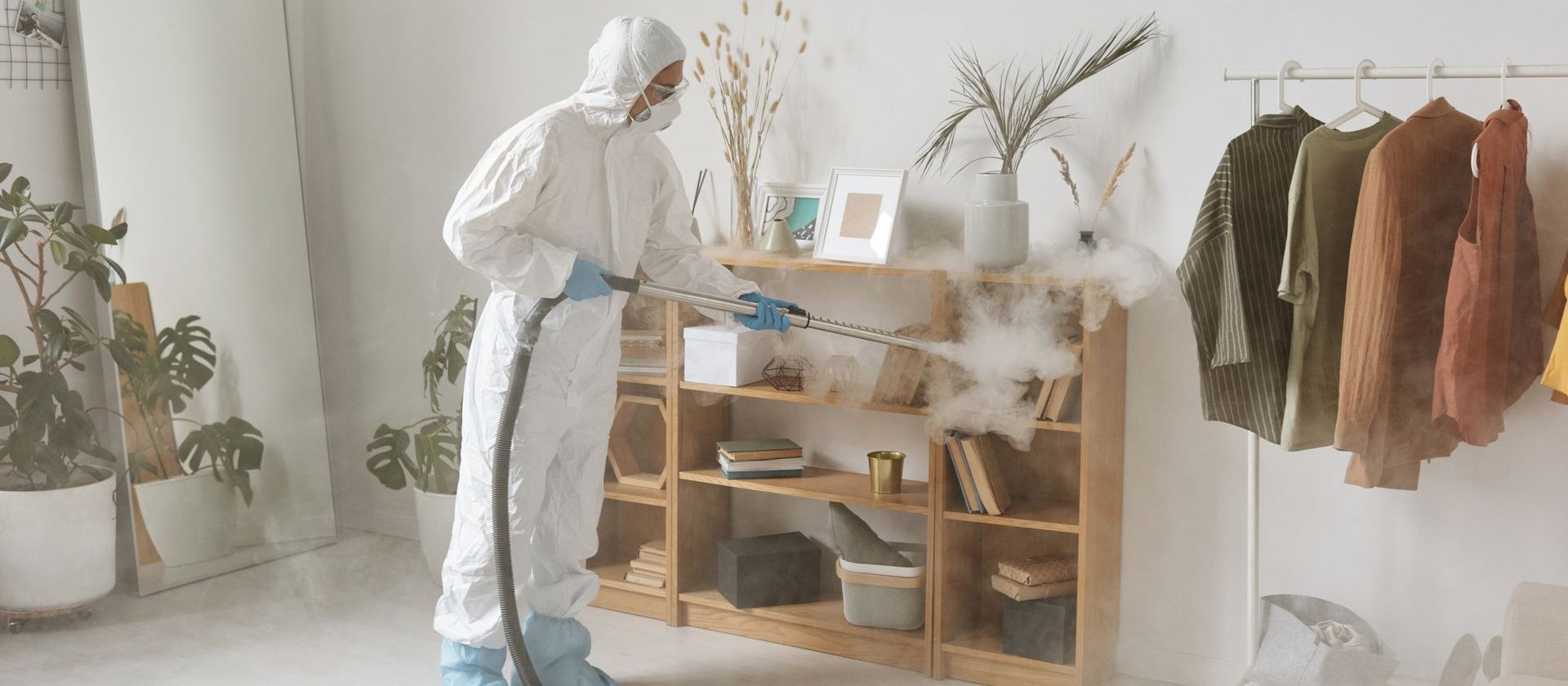
A proper flea job hits every life stage, not just the adults. We use an insect growth regulator, which stops eggs and larvae developing into breeding adults, together with a residual insecticide on carpets, floors, under furniture and around pet resting places, both inside and in sheltered outdoor spots. Before we arrive, you vacuum thoroughly, wash pet bedding hot and lift items off the floor so the product reaches where the larvae live. The pets must be treated by your vet on the same day or just before, otherwise new fleas keep arriving. Because pupae are protected in their cocoons, we often book a follow-up treatment a couple of weeks later to catch the late hatchers.
- Confirm it is fleas
We check the pets, bedding and floors and look at the bite pattern to rule out bed bugs or mites.
- Preparation
You vacuum every floor and couch, wash pet bedding and clear floors so the treatment can reach the carpet base.
- Treat pets at the vet
Your vet treats every dog and cat in the house so the source of new eggs stops.
- House treatment
We apply a growth regulator and residual spray to floors, furniture undersides, pet areas and shaded outdoor resting spots.
- Keep vacuuming
Regular vacuuming for the next two weeks stimulates pupae to hatch so they contact the treatment.
- Follow-up visit
Where needed, a second treatment catches the fleas that emerged after the first round.
Things most people don't know
People often say fleas cannot survive without a pet in the house. Adult fleas need a host, but pupae can sit in a carpet for weeks or months and hatch the moment they sense someone walking past.
The first thing a technician checks on a flea call is where the animals sleep. That spot, inside or outside, usually has the highest number of larvae and needs the most attention.
Only around one in twenty fleas in a typical infestation is an adult on the animal. The rest are eggs, larvae and pupae in the environment, which is why spot-on treatments alone often fail.
When it peaks in Cape Town
Fleas breed fastest in warm, humid weather, so numbers rise from about October and peak through the hot Cape Town summer. Indoors they keep going all year because houses rarely get cold enough to stop them. We also see a spike in autumn when people return from holidays and the vibration of activity wakes up dormant pupae.
DIY or call a professional?
If you have one pet and caught it early, a good vet product plus serious vacuuming and washing will often sort it out. Once you have fleas jumping on people and multiple rooms involved, foggers and shop sprays rarely reach the larvae in carpet bases, and a professional treatment with a growth regulator is the faster route. Either way, the house treatment fails if the animals are not treated by the vet at the same time.
What affects the price
The main factors are the size of the house, how much carpet and soft furnishing there is, and whether outdoor areas need treating as well. A heavy infestation in a multi-pet home will usually need a follow-up visit, which we include in the quote. Preparation on your side makes a big difference to how well a single treatment works, and we give a free quote upfront.
Preventing it coming back
- Keep every pet in the house on a vet-recommended flea product all year round, because heated homes keep fleas breeding through winter.
- Wash pet bedding on a hot cycle every week or two and vacuum the areas where pets sleep.
- Keep the grass short and rake away leaf litter in shaded spots where the dog lies outside.
- Discourage stray cats from sleeping under the house, on the stoep or in the garage.
- Before moving into a rental or newly bought home, ask whether the previous occupants had pets, and consider a treatment before the furniture goes in.
- Deal with rats or mice in the roof promptly, as their fleas can drop into the house.
Frequently asked questions
Why do I still see fleas after the treatment?
Pupae in their cocoons are protected and keep hatching for up to two or three weeks, and those new fleas then die on contact with the treated surfaces. Keep vacuuming, and call us if numbers are not dropping after that period.
Do you treat my dog or cat?
No, pets must be treated by your vet. We treat the house and garden, and both need to happen together for the job to work.
Can fleas live on people?
Cat fleas bite people but do not live on us; they need a furry host to breed. If there is no pet in the house, a rodent problem or a previous occupant's animal is usually the source.
How soon can the pets come back in?
Once the treated surfaces are completely dry, usually after a few hours. We will confirm on the day based on the products used.
Should I vacuum after the treatment?
Yes, but wait until the day after. Vacuuming encourages pupae to hatch and removes eggs, and it does not undo the treatment.
Is there a guarantee?
Our treatments carry a minimum 3-month guarantee, provided the pets are kept on vet flea treatment as advised.
Flea Control by area
We cover all of these suburbs from our base in Brackenfell. Pick yours for local advice.
