


What we deal with
The house fly, Musca domestica, is the one buzzing around the kitchen, and it breeds in rubbish, compost, manure and pet waste. The lesser house fly circles slowly under ceiling lights and is common near poultry and animal enclosures on smallholdings in the Boland. Blowflies, the metallic green and blue ones, breed in meat scraps and carcasses and often point to a dead rodent or bird in the roof. Fruit flies, Drosophila, are drawn to ripe fruit, spilt wine and beer, which is why they are a constant headache in Winelands tasting rooms and bars. Drain flies, also called moth flies, breed in the slime inside drains and grease traps, and stable flies, which bite, show up around horses and livestock.


Signs to look for
Tick every sign you have noticed. It takes ten seconds.
Why it matters: Flies feed and lay eggs on rubbish and faeces, then walk on food and prep surfaces, carrying bacteria that cause stomach illness. House flies also spit and defecate while they feed, which is why fly specks on surfaces matter. In restaurants, butcheries and food factories, a fly problem can fail an inspection and damage a reputation quickly. Stable flies and biting flies stress horses and livestock and can affect animal condition.
How we treat it
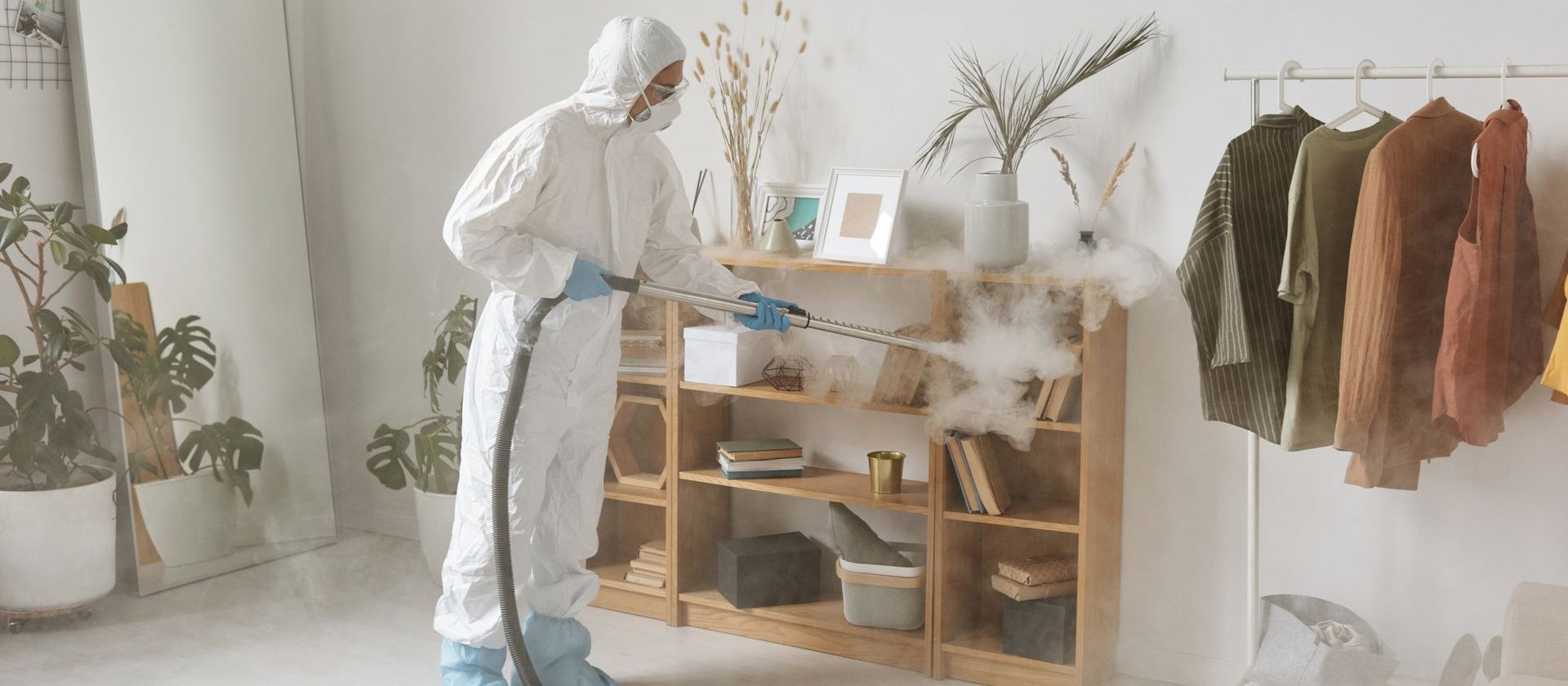
Fly control works from the ground up, so we start with sanitation: bins, compost, drains, grease traps, animal waste and anything else they can breed in. Drains and grease traps are scrubbed and treated with a bio-enzyme or larvicide that breaks down the breeding film, and we treat larvae where they are found. For adult flies we use bait stations or bait paint away from food areas and a residual spray on the surfaces where flies rest, such as window frames, walls near bins and outside walls by doors. Commercial kitchens and food plants get insect light traps with glue boards, placed where they catch flies without drawing them towards open food. ULV fogging is kept for large spaces that need a fast knockdown, never as the only treatment.
- Identify the fly
House flies, fruit flies and drain flies breed in totally different places, so we confirm which one it is first, often from a WhatsApp photo.
- Trace the source
We check bins, drains, grease traps, compost, pet areas and the roof space until we find where the larvae are developing.
- Clean up and treat breeding sites
Breeding material is removed and drains or waste areas are treated so the next generation does not hatch.
- Knock down the adults
Baits and residual treatments go on resting surfaces, with fogging only where the space and the numbers justify it.
- Install monitoring
Light traps or glue boards go in where needed so you, and we, can see whether numbers are dropping.
- Report and recommendations
You get a written report with practical fixes such as screens, door closers, bin washing and drain maintenance.
Things most people don't know
The biggest mistake we see is spraying the flies and ignoring the bin. Without the breeding site sorted out, you will be spraying again in a week.
House flies prefer to rest on edges and corners, like window frames and the edge of a ceiling board. That is exactly where a residual treatment does its best work.
Drain flies confuse a lot of people because they look like tiny moths. If they are near a shower or basin, a proper drain clean usually fixes it faster than any spray.
When it peaks in Cape Town
Fly numbers climb from late spring and peak in the hot months between December and March, when a house fly can complete its life cycle in about a week. Windless days after a south-easter has died down tend to bring them indoors in numbers. Drain flies and fruit flies are less seasonal and can be a problem all year in warm kitchens and bars.
DIY or call a professional?
Honestly, a lot of household fly problems can be fixed at home with clean bins, screens and a good drain scrub, and we tell customers that. Fly sprays on their own are a waste of money because they do nothing about the next batch hatching. Get a professional in when you cannot find the source, when there are maggots or a smell in the roof, or when you run a food business and need records for an inspection.
What affects the price
The cost of fly control depends mainly on how many breeding sites there are and how much work it takes to reach them. A home with a drain fly problem is a short job, while a food factory, abattoir or busy restaurant usually needs light traps, drain treatments and regular visits. Contracts work out better value for businesses that need ongoing monitoring, and we quote for free after a look at the site.
Preventing it coming back
- Rinse and disinfect wheelie bins regularly in summer and keep the lids shut, since a closed bin breeds far fewer flies.
- Double-bag meat scraps and bones and put them out on collection day rather than leaving them in the bin all week.
- Keep ripe fruit in the fridge in hot weather and wipe up spilt wine, beer and cooldrink straight away.
- Pick up dog mess daily, because it is one of the most common fly breeding sites in Cape Town gardens.
- Clean floor drains and grease traps on a schedule, not only when they smell.
- Fit screens or fly curtains on doors that stay open, especially the kitchen back door.
Frequently asked questions
Where are all these flies coming from?
Usually from something close by: a bin, compost heap, pet waste, a drain or a dead animal in the roof. Flies rarely travel far when they have somewhere good to breed.
Why are there suddenly loads of big flies in one room?
That is almost always blowflies hatching from a dead rat, mouse or bird in the ceiling or wall. Once the carcass is found and removed, they stop.
Will fly spray fix the problem?
No. It kills the adults you hit, but new flies keep hatching. Removing and treating the breeding site is what makes the difference.
Are fly baits safe around pets?
We place baits in stations or on surfaces pets cannot reach, and keep them well away from food areas. Tell us about your pets and we will plan around them.
Do you help restaurants with health inspections?
Yes. We set up light traps, carry out scheduled treatments and give you a post-treatment report for every visit, which is what inspectors want to see.
How do I get rid of fruit flies?
Remove the ripe fruit, clean up spills and check under the fridge and in the recycling. A simple vinegar trap catches the stragglers, and if they persist, a drain is usually involved.
Fly Control by area
We cover all of these suburbs from our base in Brackenfell. Pick yours for local advice.
