


What we deal with
The house fly and the lesser house fly are the everyday nuisance indoors, while blowflies show up in force wherever there is meat waste, a dead rodent in a ceiling or overflowing bins. Fruit flies and drain flies are the small ones that hover around fruit bowls, bar drip trays and bathroom drains, and they breed in a film of organic muck rather than in the open. Culex mosquitoes bite at night across the Cape Flats and along the vleis and canals, and Aedes species turn up where water sits in pot plant saucers and blocked gutters. The European paper wasp, Polistes dominula, is an invasive species that has spread through the Western Cape and builds open umbrella nests under eaves and in garden furniture. Indian meal moths and clothes moths round out the list indoors, one in the pantry and the other in the wardrobe.
Signs to look for
Tick every sign you have noticed. It takes ten seconds.
Why it matters: House flies and blowflies land on rubbish and faeces and then on food, so they move bacteria such as Salmonella and E. coli onto surfaces you eat from. Mosquitoes are mostly a nuisance and a cause of poor sleep in the Western Cape, but bites can become infected when children scratch them. Paper wasps sting readily when a nest is bumped, which is a real concern for anyone allergic to stings. For food businesses, visible flies are one of the quickest ways to fail a health inspection or lose a customer.
How we treat it
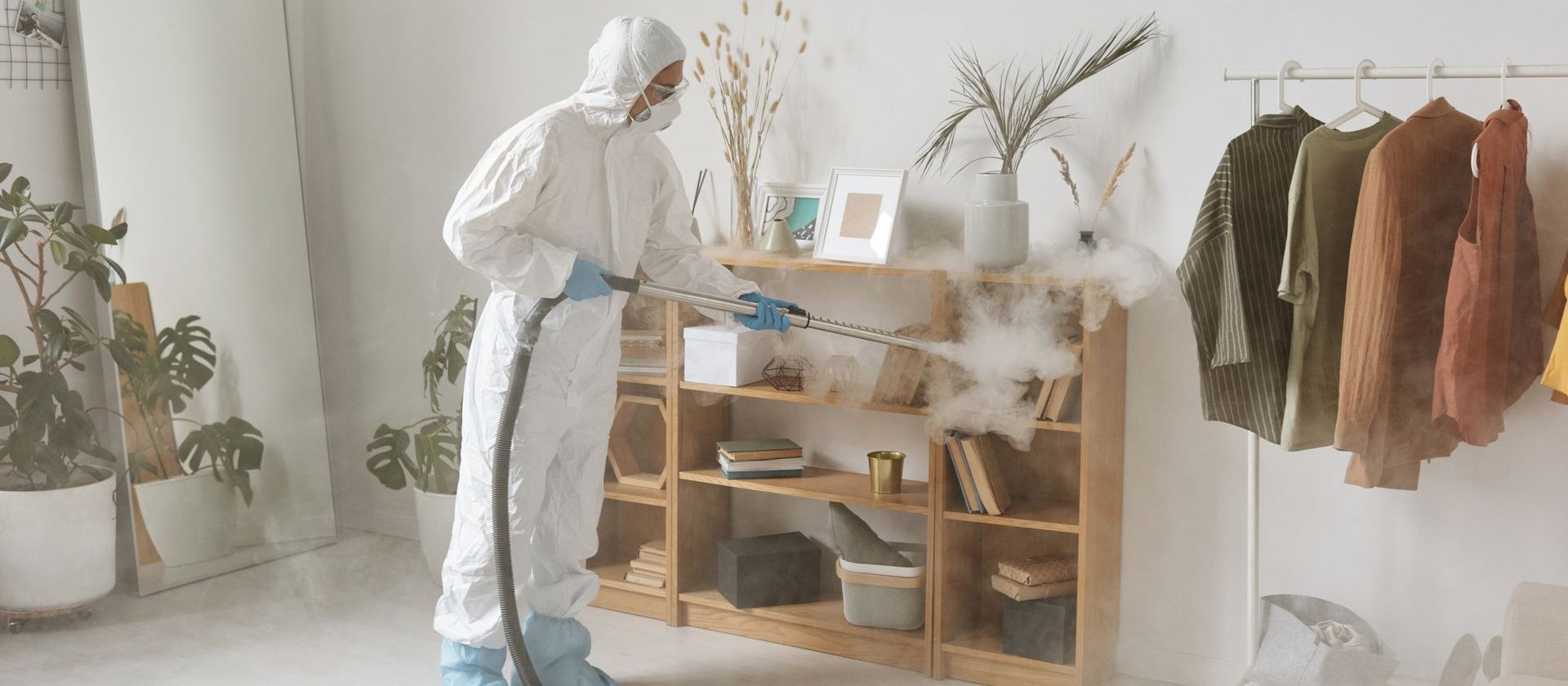
We start by identifying the insect properly, because a drain fly needs a completely different fix from a house fly or a mosquito. Breeding sites come first: drains are cleaned out and treated with a larvicide or bio-enzyme product, standing water is tipped or treated, and waste areas are sorted out. Only then do we use residual sprays on resting surfaces such as window frames and wall tops, fly bait stations away from food, and ULV fogging where a large space needs a quick knockdown. In commercial kitchens and food stores we install insect light traps with glue boards so there is constant monitoring between visits. Wasp nests are treated with a dust or spray directly into the nest and removed once the colony is dead.
- Identify the insect
We look at what is flying and where it rests, or you send us a photo on WhatsApp so we know what we are dealing with before we arrive.
- Find the breeding source
Drains, bins, standing water, dead animals in the roof and pantry stock all get checked, because killing adults without finding the source is wasted effort.
- Map the problem
We note where the insects rest, where they enter and which rooms or zones are worst, so treatment goes exactly where it is needed.
- Targeted treatment
Larvicides, drain treatments, residual sprays, baits, fogging or nest treatment are used depending on the insect, starting with the least toxic option that will work.
- Monitoring and proofing advice
We leave recommendations on screens, door seals, bin storage and drain maintenance, and set up light traps where monitoring makes sense.
- Report and follow-up
You get a post-treatment report, and a follow-up visit is booked where the insect's life cycle calls for it.
Things most people don't know
A common myth is that flies come in from outside and that is the end of the story. In a lot of homes the flies are actually breeding indoors, in a drain, a forgotten bag of potatoes or the bottom of a bin.
The first thing a technician checks is not the fly but the place it keeps landing. Where an insect rests tells us a lot about where it came from and which treatment will reach it.
Buzzing bug zappers in a kitchen can do more harm than good, because they can scatter insect fragments around. Glue board light traps are the better choice anywhere near food.
When it peaks in Cape Town
Flying insects peak from about October to March, when hot weather speeds up breeding and a fly can go from egg to adult in around a week. The south-easter keeps numbers down on the exposed side of the city but pushes flies indoors in sheltered suburbs, and mosquitoes often surge after the last winter rains leave water lying around. Wasps build their nests in spring and are at their most defensive in late summer when colonies are biggest.
DIY or call a professional?
Fly swatters, screens and a good bin routine handle a lot of household fly problems, and we would rather you did that than empty a can of spray into the kitchen. Where DIY falls down is when the source is hidden, like a dead rat in the ceiling, a broken drain under the floor or a wasp nest in a wall cavity. If you are still seeing the same insects two weeks after cleaning up, the breeding site is somewhere you have not found yet.
What affects the price
The price depends on which insect we are treating, because a single wasp nest is a very different job from a fly problem in a large food factory. The size of the property, how many breeding sites there are and how hard they are to get at, such as roof voids or sealed drains, all affect the time on site. Commercial sites with light traps and scheduled visits are usually best quoted as a contract, and we give free quotes once we know what is flying.
Preventing it coming back
- Fit fly screens on kitchen windows and keep a self-closing door or strip curtain on back doors that open onto bins.
- Pour boiling water down slow drains weekly and scrub the inside of the drain pipe with a brush, since that slime is where drain flies breed.
- Keep wheelie bins closed, rinse them out in summer, and park them away from the kitchen door.
- Tip out pot plant saucers, birdbaths and anything else that holds water for more than a few days.
- Store flour, cereal and pet food in sealed containers so pantry moths have nothing to breed in.
- Check eaves, carports and garden furniture in early spring for small paper wasp nests while they are still easy to deal with.
Frequently asked questions
Why do I still have flies after spraying?
Because spray only kills the adults that are flying at the time. New ones keep hatching from the breeding site, so until that is found and dealt with, the flies keep coming back.
What are the tiny flies around my bathroom drain?
They are almost always drain flies, also called moth flies. They breed in the gel-like film inside drains, so cleaning the pipe properly works far better than spraying the walls.
Is fogging safe for my pets and children?
Fogging is only used where it is needed, and people and pets stay out until the product has settled and the room has been aired. We tell you exactly how long to wait before we start.
Do insect light traps actually work?
Yes, in the right place. They catch flies that get past your doors and screens and, just as usefully, the glue boards show us what is getting in and how many, which is why food businesses rely on them.
Can you treat a whole business, not just a house?
Yes. Restaurants, food factories, warehouses and offices usually go onto a contract with scheduled visits, monitoring and a report for each service.
How quickly can you come out?
We aim for around 48 hours, though it varies with the season, and we can do after-hours or weekend visits on request.
Flying Insect Control by area
We cover all of these suburbs from our base in Brackenfell. Pick yours for local advice.
