

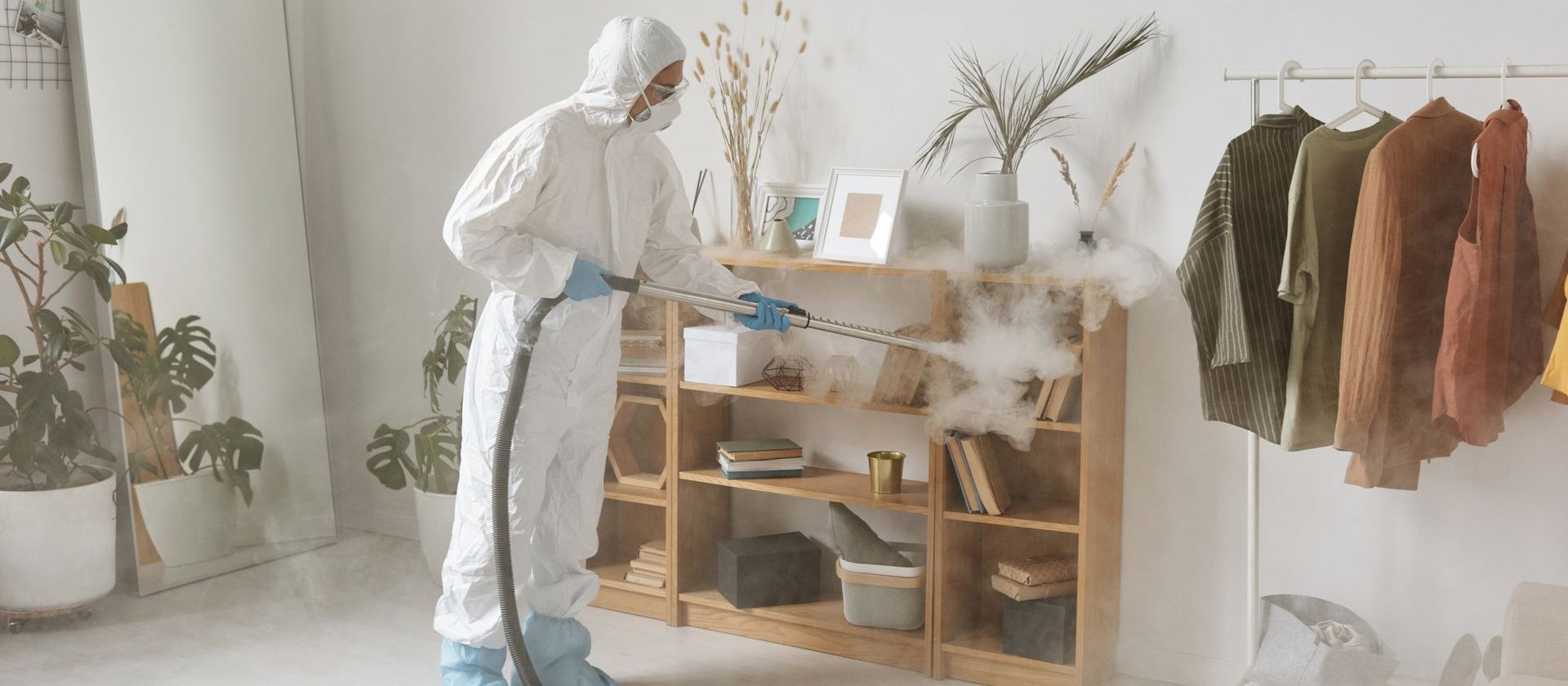

What we deal with
The webbing clothes moth, Tineola bisselliella, is a small, pale gold moth that avoids light, and its larvae feed on wool, cashmere, silk, fur, feathers and woollen carpets. The case-bearing clothes moth is similar but its larvae carry a small silk tube around as they feed. The Indian meal moth, Plodia interpunctella, has wings that are pale near the body and coppery towards the tips, and its larvae spin webbing through muesli, nuts, dried fruit, flour, birdseed and dog food. The brown house moth is a common scavenger in older homes, feeding on wool, fluff and debris under floorboards and in wall voids. The big moths that fly into lights at night on a summer evening are garden species and are not the ones damaging your clothes or food.


Signs to look for
Tick every sign you have noticed. It takes ten seconds.
Why it matters: Clothes moths can ruin expensive wool and silk clothing, heirloom blankets, wool carpets and upholstery, and the damage is often only noticed months later. Pantry moths contaminate food with webbing, droppings and larvae, and infested food must be thrown away. For retailers, hotels, guesthouses and textile businesses, moth damage to stock or furnishings means real financial loss. Neither moth is known to carry disease, but both spread from room to room and cupboard to cupboard if they are ignored.
How we treat it
Identifying the moth correctly matters most, because clothes moths and pantry moths are treated in completely different places. For clothes moths we remove and sort affected textiles, recommend washing at high temperature, dry cleaning or freezing, vacuum carpets and wardrobe floors thoroughly, and apply a residual treatment to carpet edges, skirting boards and the inside of cupboards, with an insect growth regulator where the infestation is heavy. For pantry moths we find and remove all infested food, vacuum shelving, and treat cracks and crevices where larvae pupate, keeping treatment away from food. In both cases we place species-specific pheromone traps to monitor results, since these catch male moths and show quickly whether the problem is under control.
- Identify the moth
A photo of the moth, larva or damage on WhatsApp is usually enough to tell us whether it is a clothes or pantry moth.
- Find the feeding site
We check wardrobes, drawers, under furniture, carpets, the pantry, pet food and birdseed to find where the larvae live.
- Map the spread
We note which rooms and cupboards are affected so the treatment covers the whole infestation.
- Clean and treat
Infested items are removed or cleaned, and targeted treatments are applied to carpets, cupboards or pantry cracks.
- Monitor with pheromone traps
Traps are placed to measure moth activity and catch any new arrivals.
- Report and recommendations
You get a report with advice on storage, cleaning routines and protecting the items you value.
Things most people don't know
Most people assume the moth they see is the one doing the damage. With clothes moths it is actually the larvae, and they stay well hidden.
A technician's first stop is under heavy furniture and at the edges of carpets, where clothes moth larvae feed undisturbed.
Spraying the wardrobe and leaving the infested clothes inside is the most common mistake we see. The clothes need to come out and be washed, frozen or dry cleaned.
When it peaks in Cape Town
Both moths are more active in warm weather, so problems usually become obvious from late spring through summer. Clothes moth damage is often discovered in autumn when people pull their winter woollens out of storage for the first cold front. Heated homes and warm pantries can see moth activity all year round.
DIY or call a professional?
Pantry moths can often be solved at home with a ruthless clean-out and sealed containers, and we would say try that first. Clothes moths are harder, because the larvae hide in carpets, under furniture and in the corners of wardrobes, and missing a single spot means the problem returns. If you have valuable woollens, wool carpets or the moths keep coming back after cleaning, it is worth getting us in.
What affects the price
The cost depends on whether it is a clothes moth or pantry moth problem, the number of rooms or cupboards involved, and whether carpets and upholstery need treatment. Larger homes, guesthouses and retail spaces with many wardrobes or storage areas take more time and may need a follow-up visit. We give a free quote, usually after seeing photos or doing a quick inspection.
Preventing it coming back
- Wash or dry clean woollens before packing them away for summer, because moths prefer fabric with sweat and food stains on it.
- Store woollen clothes and blankets in sealed bags or containers, not in open shelves or cardboard boxes.
- Vacuum under beds, sofas and along carpet edges regularly, since moths thrive in dark, undisturbed spots.
- Take clothes out of the wardrobe and shake them every few weeks, as clothes moths dislike disturbance and light.
- Keep cereals, nuts, dried fruit and pet food in airtight containers, and check birdseed before bringing it inside.
- Freeze second-hand woollens, rugs or vintage clothing for a few days before putting them with your own things.
Frequently asked questions
Do mothballs work?
Traditional mothballs only work in a sealed space at high concentrations, and they have a strong smell many people dislike. Sealed storage, regular cleaning and pheromone traps are more effective.
Why are there holes in only some of my jerseys?
Clothes moth larvae prefer wool and silk that has sweat or food stains on it, and they feed in dark, undisturbed spots, so items worn less often are usually hit hardest.
Are pheromone traps enough on their own?
No. They catch male moths and show you how bad the problem is, but they do not kill the larvae doing the damage. They work best alongside cleaning and treatment.
Do the moths I see on my patio light eat clothes?
Almost never. Clothes moths avoid light and are rarely seen flying. The big moths around outdoor lights are garden species.
How long does it take to get rid of moths?
With a proper clean-out and treatment, activity drops quickly, but we keep monitoring for several weeks because eggs and larvae can survive in hidden spots.
Can you treat a guesthouse or clothing shop?
Yes. We inspect stock and furnishings, treat affected areas and set up pheromone monitoring, with a report after each visit.
Moth Control by area
We cover all of these suburbs from our base in Brackenfell. Pick yours for local advice.
