

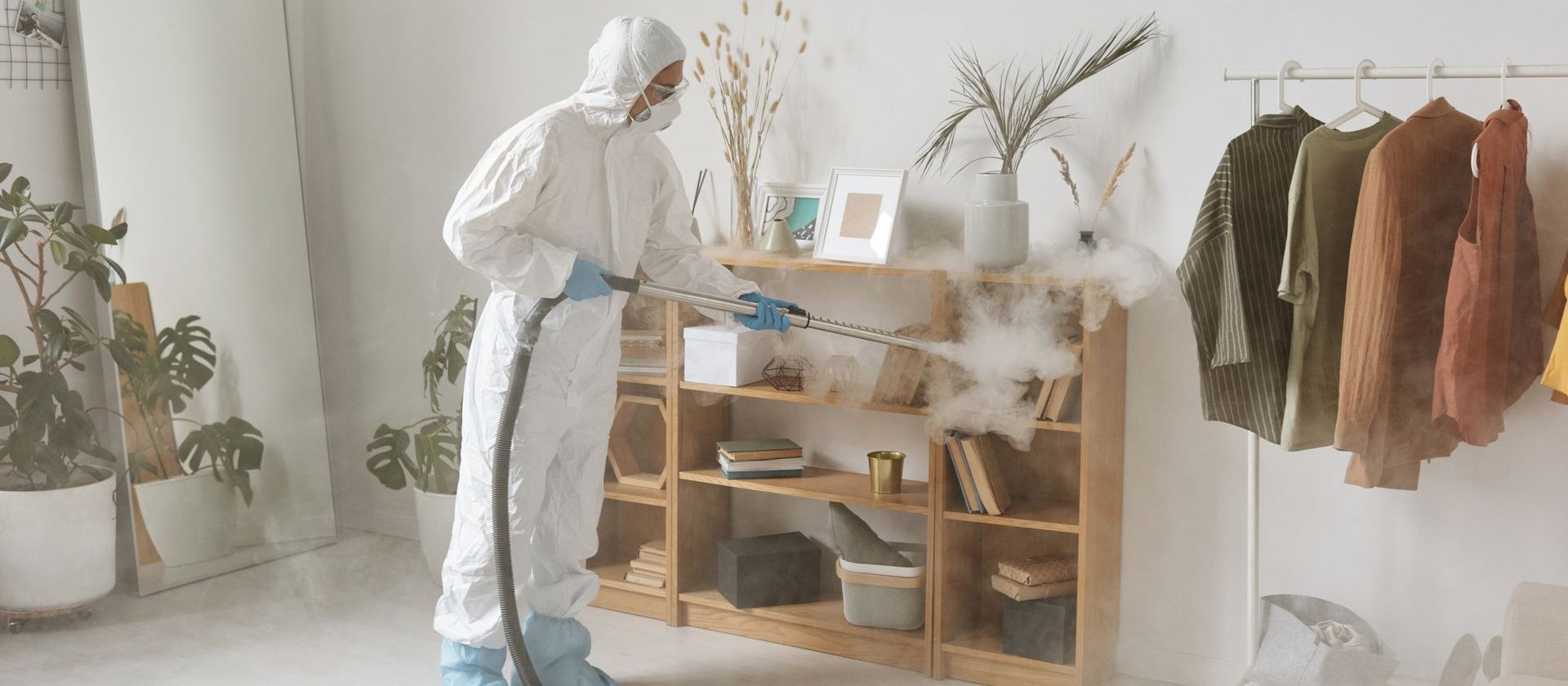

What we deal with
True gas fumigation is the right call for infested furniture, antiques and timber where wood borer larvae are tunnelling inside the wood. It is also used for stored products like grain, maize meal, animal feed and dried goods when weevils or moths have got into bulk stock. Shipping containers and pallets heading to or arriving from the harbour sometimes need treating too. Most homeowners who phone asking for fumigation, though, have cockroaches, fleas or bed bugs, and those are better handled with a targeted spray, gel or dust treatment than with gas. We will tell you honestly which camp your problem falls into.
Signs to look for
Tick every sign you have noticed. It takes ten seconds.
Why it matters: Fumigant gases are dangerous to people and animals, which is why fumigation is done under sheets or in sealed rooms with warning signs and nobody inside. Done badly, it either leaves pests alive deep in the material or leaves gas where it should not be. Done well, it reaches every crack in a load of timber or a pallet of stock. For a business, an untreated infestation in stored goods can mean whole batches thrown away and unhappy customers.
How we treat it
We start by confirming that fumigation is really needed, because a lot of jobs can be solved with a residual spray, a dust or an insect growth regulator instead. When gas is the right tool, the item or area is sealed under gas-proof sheeting or in an airtight room, the fumigant is introduced and the space is held closed for the required exposure time. Afterwards it is aired out and checked before anyone goes back in. For houses with crawling insects we use targeted gel baits, dusts and residual sprays, often with a ULV fogging pass for hard-to-reach voids. You get a written report after every treatment.
- Identify the problem
Send us photos on WhatsApp or book an inspection so we can see what pest it is and where it lives.
- Choose the right treatment
We decide between gas fumigation and a targeted spray or bait treatment, and explain why.
- Prepare and seal
Items are moved, covered or sealed under sheets, and the area is cleared of people and pets.
- Treat and hold
The fumigant or treatment goes in and is left for the correct exposure time.
- Air out and report
We ventilate, check the area is safe and leave a report with any follow-up recommendations.
Things most people don't know
Fumigation leaves no residue to protect you later. It is a reset button, so what you do afterwards decides whether the pest comes back.
A shop-bought bug bomb is not fumigation. It puts insecticide on exposed surfaces and often pushes cockroaches further into the walls.
When we look at a piece of furniture, the first check is whether the holes are old or active. Fresh, pale dust under the piece means larvae are still at work.
When it peaks in Cape Town
Wood borer beetles emerge mainly in the warmer months from late spring into summer, so that is when people notice fresh holes and ask about fumigation. Stored product pests breed faster in the heat too, while cockroach and flea calls climb from October as the weather warms up.
DIY or call a professional?
Gas fumigation is not a DIY job, full stop. The products are restricted and dangerous, and the sealing has to be right. For crawling insects in a house, foggers from the shop mostly drive pests deeper into the walls, so you are better off with a targeted professional treatment.
What affects the price
The price depends on whether you need gas fumigation or a standard treatment, and on the volume being treated. Sealing a whole structure or a full container takes more material and time than a single piece of furniture. Access, preparation work and any follow-up treatments are factored into the free quote.
Preventing it coming back
- Inspect second-hand furniture for small exit holes and fine dust before bringing it into the house.
- Store grain, feed and dry goods in sealed containers and use the old stock first.
- Keep timber dry, because damp wood is far more attractive to borer beetles.
- Do not stack cardboard and pallets against walls for months; it gives pests a hiding place.
- Have bulk storage areas checked regularly so a small problem does not become a fumigation job.
- If you are buying an older property, include a beetle inspection in the transfer process.
Frequently asked questions
Do I have to move out for fumigation?
For true gas fumigation of a structure, yes, everyone including pets must leave until it is cleared. For a standard house treatment you usually only need to be out for a few hours.
Is fumigation the same as spraying?
No. Fumigation uses a gas in a sealed space, while spraying applies a product to surfaces. Many people in Cape Town use the words interchangeably, which is why we check what you need first.
Can you fumigate a single piece of furniture?
Yes. Antiques and wooden furniture with active borer are often sealed and treated on their own.
Will fumigation leave a smell?
Once a space has been properly aired, there should be little or no lingering smell. We use odourless products where we can.
Does fumigation stop pests coming back?
Gas kills what is there but leaves no lasting protection, so prevention and sometimes a residual treatment afterwards matter.
Can you fumigate a container?
Yes, containers and pallet loads can be sealed and treated. Tell us what is inside and where it is going so we can plan it.
Fumigation by area
We cover all of these suburbs from our base in Brackenfell. Pick yours for local advice.
