

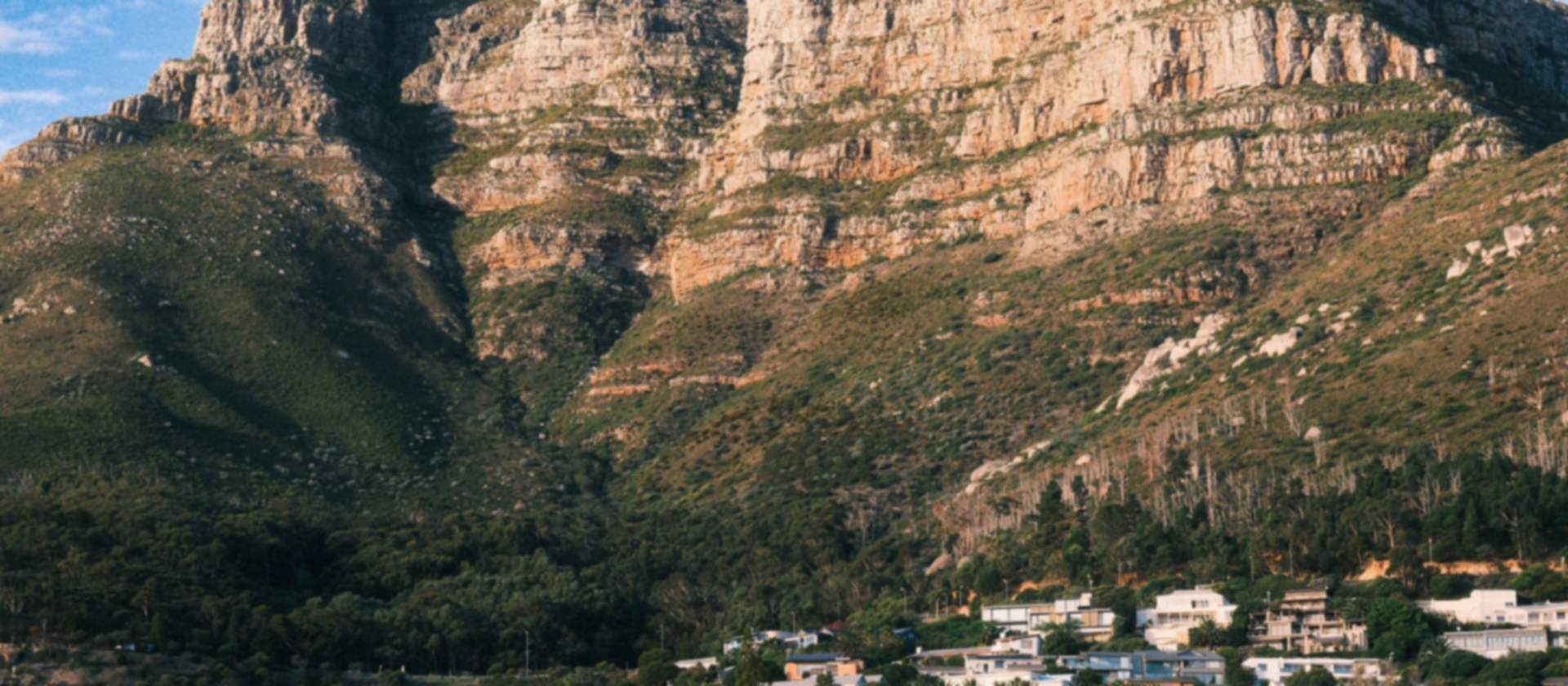

The Atlantic Seaboard runs from Mouille Point and Green Point down past Sea Point, Bantry Bay and Clifton to Camps Bay, squeezed between the mountain and the cold ocean. Pest work here is mostly in apartment blocks, restaurants and holiday rentals, where one problem flat can spread to the whole building.
Wood Borer Treatment by suburb
We cover all 26 suburbs on our City Bowl & Atlantic Seaboard route. Each suburb page covers what we find there and what works for those streets and buildings.
City Bowl & Atlantic Seaboard 26 areas
Southern Suburbs 29 areas
South Peninsula 17 areas
Northern Suburbs 16 areas
Blaauwberg & West Coast 10 areas
Cape Flats 24 areas
Wood borer and beetle certificates on the Seaboard
Timber pests matter most in the older semi-detached houses inland from the coast and in the houses on the slopes with wooden decks, pergolas and cladding. Sea air keeps timber damp, and once wood softens, beetles find it easier to get into. Look for small round holes and fine powder below beams, floorboards and deck timbers.
Most property sales here still need a beetle certificate. We inspect the roof, floors, decks and outbuildings, treat any active infestation and issue the certificate once the property is clear.
Something most people miss
The European house borer is notifiable in the Western Cape. If we find it, it gets reported and treated properly, which is better for you in the long run.
Borer treatments are applied in the roof or to furniture, not in living areas, so children and pets just need to stay clear while we work and while it dries.
How to tell you have a problem
Tick every sign you have noticed. It takes ten seconds.
Why it matters: Most borer damage is slow, but it is cumulative, and a roof truss weakened by years of tunnelling can fail under load. The European house borer is the serious one, because it goes for structural timber and is a notifiable pest. Furniture and antiques lose value quickly once borer has hollowed them out. When you sell a property in the Western Cape, an active infestation can hold up the transfer until it is treated and certified.
What happens when we come out
We start with an inspection to confirm the beetle species and whether the holes are active or old, because old damage does not need treating. Exposed timber such as roof trusses, beams and floor joists is treated with a residual borer spray that penetrates the surface and kills emerging beetles and young larvae. Where the wood is thick or the infestation is deep, we inject product directly into the flight holes and drilled galleries. Badly weakened timber should be replaced by a builder, and we tell you which pieces are past saving. Valuable furniture can be sealed and fumigated instead.
Want the full step-by-step? See how our wood borer treatment service works.
Prevention that actually works
- Have the roof timbers looked at every few years in an older house.
- Use treated timber for any roofing, decking or building work, and check the treatment marks on it.
- Check second-hand furniture for holes and fresh powder before you bring it home.
- Keep the roof space ventilated and fix leaks quickly, since damp timber attracts borer.
- Seal or varnish bare wood surfaces, because beetles prefer to lay eggs in rough, untreated grain.
Pricing, honestly
The price depends on how much timber needs treating, how easy the roof space is to get into and which beetle we are dealing with. A single piece of furniture is a very different job to a full roof of trusses. Injection work, replacement advice and certificates for transfers are all included in a free quote once we have seen the property.
Adult beetles emerge mainly from late spring through summer, roughly October to February in Cape Town, which is when fresh holes and powder show up. That is the best time to spot an active problem, but treatment can be done all year round.
Questions we get asked in Atlantic Seaboard
Does a flat in a Seaboard block need a beetle certificate when sold?
Often yes, depending on the bank and attorney. For a flat we inspect accessible timber such as floors, built-ins and any roof space.
How long does the treatment last?
Residual borer treatments protect the timber for a long time. Our treatments carry a minimum 3-month guarantee, and we can re-inspect later.
Is the European house borer really that serious?
Yes. It attacks structural softwood and is a notifiable pest in the Western Cape, so suspected cases have to be reported and treated.
Do I need a beetle certificate to sell my house?
Most property transfers in the Western Cape require a beetle inspection and a Certificate of Compliance. We do the inspection and issue the certificate where the property qualifies.
Will treatment smell or stain the wood?
Most borer treatments dry with little smell and do not stain bare timber. Polished furniture is treated more carefully.
How do I know if the borer holes are still active?
Look for fresh, pale powder below the holes and clean, sharp edges on the holes themselves. Old holes are usually darker and dusty with no new frass.
Office 021 012 5825 · WhatsApp us
