

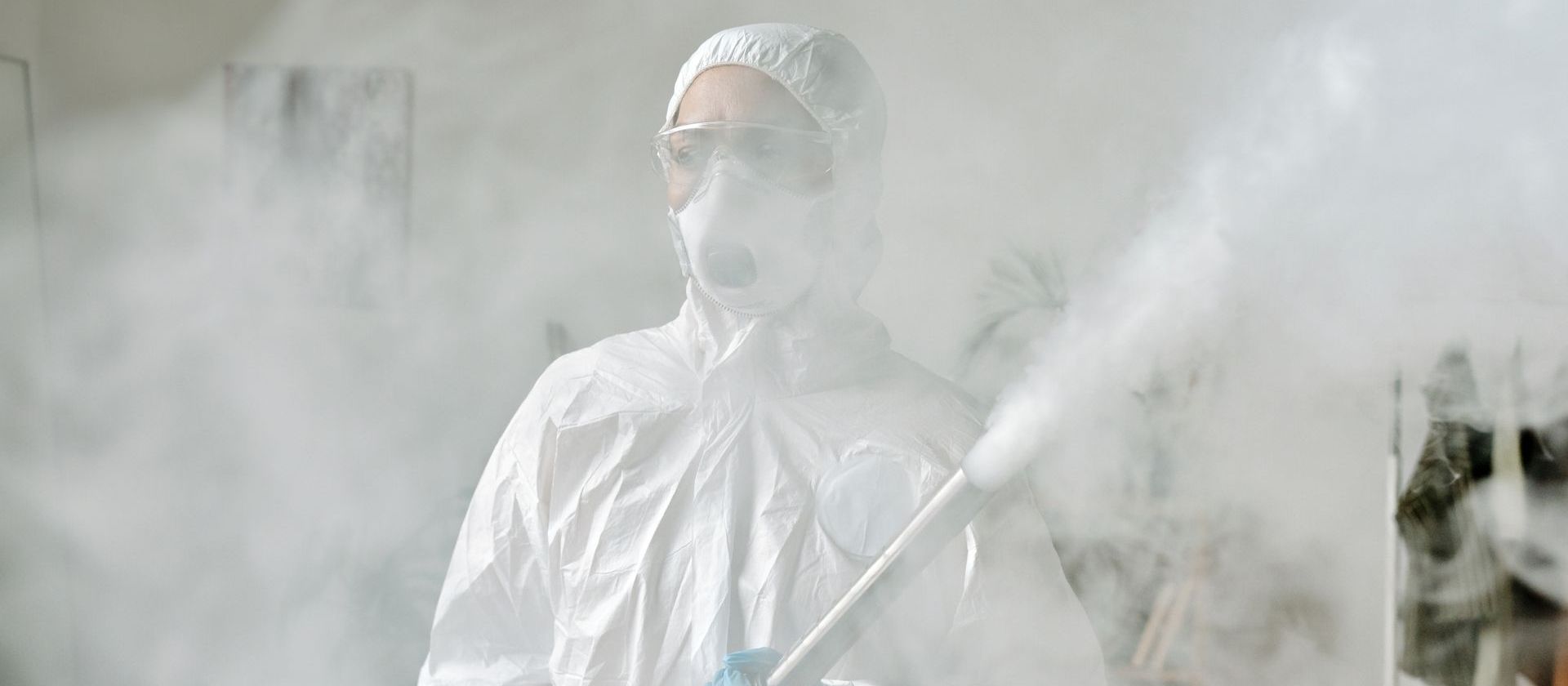

Eco-friendly pest control means using the least-toxic method that will actually solve the problem, aimed only at the pest you have, rather than spraying strong-smelling broad-spectrum chemicals through the house. It lowers the risk to people, pets and wildlife. It does not mean zero risk, and anyone who tells you otherwise is overselling.
Key takeaways
- Old-style blanket spraying kills far more than the target pest and can harm birds and reptiles that feed on insects.
- A greener approach starts with the least-toxic effective option and uses targeted, low-odour products.
- Most pests have specific diets and habits, which lets us use baits, gels and traps instead of area sprays.
- Every job should start with a site survey and end with a written report of what was used.
- Even milder products such as pyrethroids carry some risk, so careful placement still matters.
What is wrong with the old approach?
Many people's picture of an exterminator is someone with a tank on their back, spraying every skirting board and leaving a chemical smell that lingers for days. That approach uses broad-spectrum insecticides, historically organophosphates, that kill almost any insect they touch. Bees, ladybirds, spiders that eat other pests and harmless beetles all die along with the cockroaches.
The damage does not stop there. Lizards, geckos and insect-eating birds feed on those poisoned insects. In a Cape Town garden that backs onto a greenbelt or the mountain, that is a real knock-on effect. And indoors, a heavy residual spray across the kitchen is not something most parents are comfortable with, even when it is used within label directions.
Our opinion is simple: blanket spraying is usually lazy pest control. It treats the whole house because nobody took the time to find out where the pests actually are.
What eco-friendly pest control actually involves
The principle is to go for the least-toxic effective option first and to target the pest, not the property. Pests are fussy. German cockroaches, ants, rodents and stored-product moths each have particular diets and behaviours, which means we can design baits and lures they will take while most other animals ignore them. We use low-odour or odourless products where possible, and we put them in cracks, voids and bait stations instead of on open surfaces.
In practice, a responsible treatment follows three stages.
1. A site survey before anything is applied
Before any product comes out of the van, the technician walks the property and looks at:
- Non-target risks. Children, pets, fish tanks, chickens, beehives, vegetable gardens, nearby wetlands and wildlife such as owls.
- Entry points. How the pest is getting in: gaps under doors, open drains, holes around pipes, overhanging branches.
- Food sources. What is feeding the problem, from pet food and fallen fruit to grease behind the stove.
- Harbourage. Where the pests are living and breeding.
This survey often shows that a large part of the problem can be solved without chemicals at all, by sealing gaps, fixing a leak or changing how food and waste are stored. It is also the basis of our 4-step insect regime and 6-step rodent regime.
2. Targeted treatment
Once we know what we are dealing with, we choose the narrowest tool that will work.
- Pheromone traps attract specific insects, such as certain moths, and are mainly used for monitoring and reducing numbers.
- Food traps and sticky monitors catch crawling insects and show us where activity is concentrated.
- Species-specific baits and gels are placed in tiny amounts where the pest feeds and hides. The pest carries the bait back to its nest, so a small quantity of product does a lot of work.
- Insect growth regulators interrupt breeding in some insect pests without the need for heavy sprays.
- Physical proofing such as mesh, door strips and sealing keeps pests out in the first place.
Sometimes a residual spray is still the right call, for example a perimeter treatment for crawling insects. Even then we choose products carefully and apply them only where needed. It is worth being honest that synthetic pyrethroids, which are often described as a milder option, are still insecticides. They are toxic to fish and to bees, and they need to be used with care. Lower risk is not the same as no risk.
3. An integrated programme and a written report
Good pest control is a programme, not a single visit. After treatment you get a post-treatment report that lists the products used and where they were placed, along with recommendations for keeping pests out: repairs, hygiene changes, storage tips and anything that needs monitoring. If we come back for a follow-up, it is to check results and adjust, not to repeat the same spray by habit.
That report matters. It means you know what is in your home, you can tell your vet or doctor if needed, and a business has a record for audits.
Is eco-friendly pest control less effective?
Not in our experience, provided it is done properly. Gel baits are among the most effective tools we have against German cockroaches. Proofing beats poison for rodents over the long run. A targeted job may take an extra follow-up visit, but the results tend to last longer because the cause has been dealt with. The one thing that does not work is skipping the survey and hoping a mild product sprayed everywhere will do the trick.
Questions to ask any pest control company
- Will you inspect before treating?
- Which products will you use, and why those?
- Do I need to leave the house, and for how long?
- How will you protect my pets, fish or chickens?
- Will I get a written report afterwards?
If the answers are vague, keep looking. To see how we approach a visit, read about our pest control service in Cape Town, or for a general overview see pest control in Cape Town. Quotes are free and treatments carry a minimum 3-month guarantee.
Frequently asked questions
Is eco-friendly pest control completely safe?
No treatment is completely risk-free. Eco-friendly pest control lowers the risk by using targeted, least-toxic products in small amounts, placed where people and pets cannot easily reach them.
Does eco-friendly pest control work as well as spraying?
Done properly, yes. Baits, gels, growth regulators and proofing often give longer-lasting results than blanket spraying because they deal with the cause.
Are pyrethroids safe to use around pets?
Pyrethroids are considered lower risk than older insecticides, but they are still toxic to fish, bees and, in some cases, cats. They should be applied sparingly and only where needed.
Will I know which products were used in my home?
Yes. You receive a post-treatment report listing the products used and recommendations for keeping pests out.