

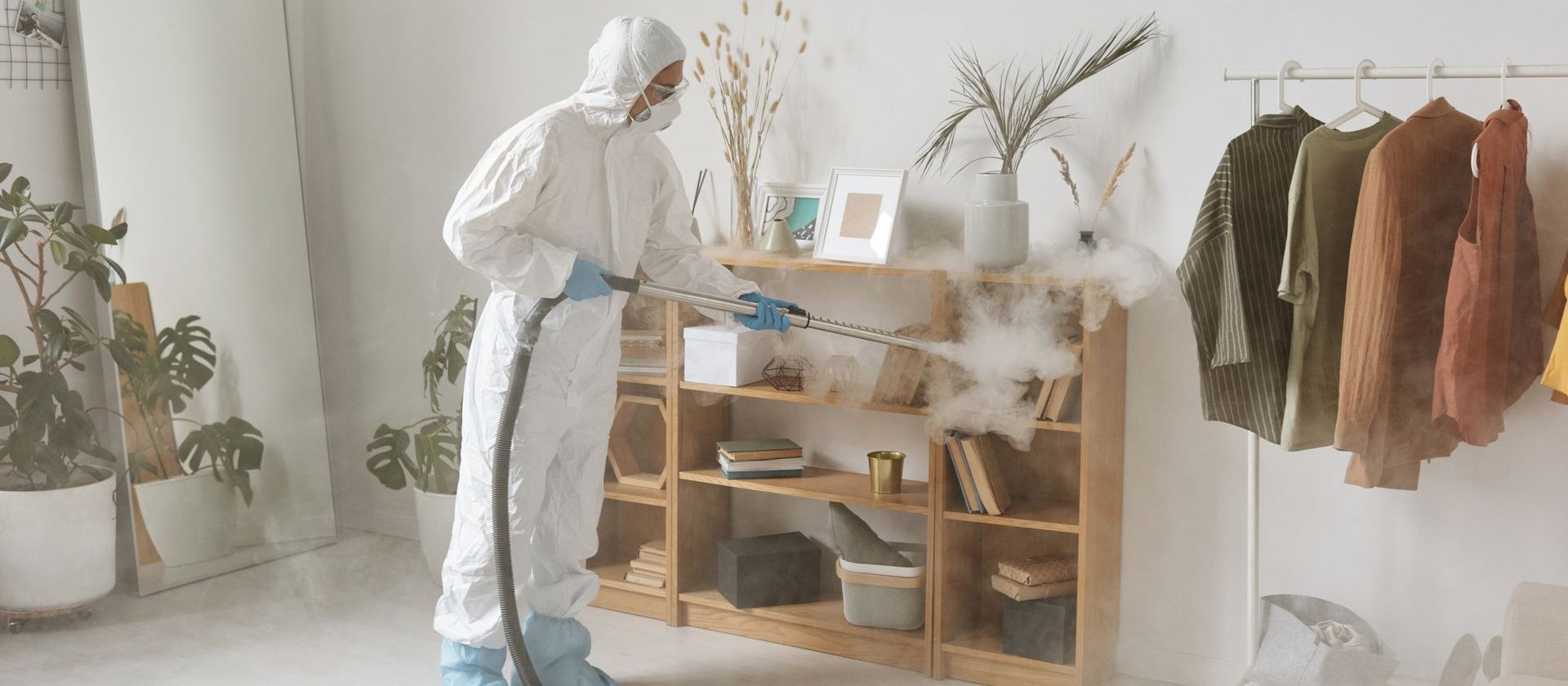

The European paper wasp, Polistes dominula, is the main problem species in Cape Town and the Boland, an invasive wasp that has spread fast through suburbs and farms in the Western Cape. It builds open, grey, comb-like nests under eaves, in window frames, inside gate posts, in letterboxes and under garden furniture, often in large numbers on a single property. South Africa also has native paper wasps such as Belonogaster species, whose nests look similar but tend to be smaller and less aggressive, and solitary mud dauber wasps that build mud cells and very rarely sting. The invasive Polistes competes with native insects and feeds on caterpillars and other invertebrates, and it also takes fruit in orchards and vineyards. Identification matters, because a single mud dauber does not need the same response as a street full of Polistes nests.
Wasp control by Cape Town region
The invasive paper wasp has reached almost every corner of the city, but where it builds, and why it keeps coming back, changes from one side of the mountain to the other. This is what we tend to find in each area.
Southern Suburbs and Constantia
Big established gardens, old fruit trees, pools and deep timber eaves make the Southern Suburbs close to ideal for wasps. Vine-covered pergolas are a favourite, because the leaves hide the combs until someone reaches up to prune in January. Older houses also have more gaps around fascia boards and roof tiles, so nests end up half hidden and only get noticed when the colony is already big.
Northern Suburbs and Blaauwberg
Newer estates in Durbanville, Brackenfell and Parklands have fewer old eaves but a lot of steel. Hollow palisade posts, gate motor housings, the underside of aircon units and the top rail of carports all get used. In a complex, we often find a nest in the same spot on every second unit, because the buildings are identical.
Atlantic Seaboard and City Bowl
The south-easter decides a lot here. Wasps build on the sheltered side of a building, so look under balconies, behind shutters and inside window recesses that face away from the wind. Blocks with a shared pool and plenty of glass often have wasps visiting the water while the nests are on a neighbouring property.
Helderberg and Boland
Around Somerset West, Stellenbosch and Paarl, wasps are as much a farm problem as a household one. Packing sheds, barns, tractor sheds and worker housing give Polistes endless shelter, and a plan that only covers the main house leaves the source untouched.
Cape Flats and South Peninsula
In denser areas nests turn up in Wendy houses, under zinc overhangs and inside washing line poles. Along the False Bay coast, from Muizenberg to Simon's Town, sheltered courtyards, boat sheds and garages with the door left open in summer are common sites.
Paper wasp or honeybee?
A fair number of the wasp photos sent to us on WhatsApp turn out to be honeybees. It matters, because the two are handled very differently.
- The body: paper wasps are smooth, shiny and sharply yellow and black, with a pinched waist and long legs hanging down in flight. Honeybees are brown, hairy and stockier.
- The nest: a paper wasp nest is a small grey comb where you can see the open cells. Bees build wax comb hidden inside a wall cavity, a meter box or a hollow tree, and you mostly see them using one entrance hole.
- The cluster: a dense ball of insects hanging off a branch is almost always a bee swarm resting on its way somewhere else, and it often moves on by itself within a day or two.
Honeybees are important pollinators, and a local beekeeper can often relocate an established hive. If your photo shows bees rather than wasps, we will tell you straight away.
What to send with a wasp photo
A clear picture of the nest is the most useful thing you can send, but a few extra details help us plan the visit properly:
- Roughly how many nests you can see, and how high up the highest one is.
- Whether anyone in the house, or anyone working on site, reacts badly to stings.
- Whether a nest is on something you have to use every day, like a front gate, a pool pump cover or a wheelie bin shelter.
- Whether the wasps are on your property only, or also on boundary walls shared with a neighbour.
For how we handle ongoing treatment through the season, see wasp control in Cape Town. Pick your suburb from the list below for local notes, or phone 021 012 5825 for a free quote.
Quick answers
When is the best time to treat wasps?
Early spring, when nests are small and only the queen is there. Later in summer the same nest can hold dozens of wasps and is far more likely to cause stings.
Do wasp traps work?
They catch some foraging wasps, but they rarely reduce the number of nests and can attract more wasps to your garden. Finding and treating the nests works much better.
Can you look after a whole estate or farm?
Yes. We do scheduled wasp checks for estates, complexes and farms through the season, with a report after each visit.
How quickly can you remove a wasp nest?
Our average turnaround is around 48 hours, depending on the season. If a nest is right by a door or someone is allergic, tell us, and we can arrange an after-hours or weekend visit on request.
Is it safe to spray a nest myself?
It is risky with a large nest, because a can of spray rarely kills the whole colony and the survivors get very defensive. Small nests at dusk are another story.
What if the nest is inside a wall?
We treat it through the entrance hole with a dust, wait for activity to stop and only then seal the hole, so the wasps are not forced inside the house.