


The bed bug found in Cape Town homes and accommodation is the common bed bug, Cimex lectularius, a flat, reddish-brown insect about the size of an apple pip when fully grown. Young nymphs are tiny and almost see-through until they feed, which is why early infestations are so easy to miss. Bat bugs and swallow bugs look very similar and can bite people when bats or swallows nest in a roof, so a close look under magnification matters before treating. Bed bugs do not jump or fly; they walk, and they hitch rides in luggage, handbags, second-hand furniture and moving boxes. Hotels, backpackers, student residences and Airbnb units along the tourist routes see the most introductions, but any home that takes in guests or bought furniture can be affected.
Most bed bug jobs we see in Cape Town are bigger than they needed to be. Not because the bugs are clever, but because of what happened in the fortnight before anyone picked up the phone. Start with the mistakes, then look at how bed bugs behave in the shared buildings this city is full of.
Bed bug mistakes that make the job bigger
- Sleeping on the couch to escape them. The bugs follow the sleeper. Within a week or two you can have a second infested piece of furniture, and a couch with its deep seams and staples is far harder to treat than a bed.
- Moving into the spare room. Same problem, a second bedroom. Stay put in your own bed until we have inspected; you are the bait that keeps them where we can find them.
- Stripping and washing everything before the inspection. Clean sheets are tempting, but the droppings and shed skins are how we map the infestation. Unless we ask you to, leave the bed as it is until we have seen it.
- Dousing the mattress in rubbing alcohol or household powders. Alcohol is a fire risk on fabric and only kills what it touches directly. Powders smeared everywhere make the bugs move, which is the last thing you want.
- Hoping it is mosquitoes. In summer it is easy to blame the window. If the bites are worse after a night in one particular bed, take that seriously.
- Keeping quiet in a block of flats. This one deserves its own section.
Bed bugs in Cape Town flats, digs and backpackers
A big share of the city sleeps in shared buildings: older apartment blocks along Sea Point and Green Point, Victorian houses split into rooms in Observatory and Woodstock, student digs near the campuses in Rondebosch and Mowbray, and backpackers around the City Bowl. In those buildings the useful question is not only whether your room is clear, but where the bugs came from and where they could go next.
If you rent a room or a flat
Tell your landlord or agent in writing as soon as you are sure, and say which neighbouring units share a wall with your bedroom. Bed bugs walk, and they will move along pipes and skirting to the next room if pressure builds. Being upfront early is what keeps the problem small, and it puts the inspection of the neighbouring units on the right person's desk.
If you own or manage the building
Plan the inspection around the affected unit and the rooms on either side, above and below it. Treating one room in a block where the bugs arrived from next door is money spent twice. High-turnover properties such as student digs benefit from a simple reporting system so tenants feel safe raising it rather than hiding it until the lease ends.
Bed bug look-alikes found in Cape Town bedrooms
Plenty of photos sent to us turn out to be something else. The usual suspects:
- Carpet beetle larvae. Small, hairy and brownish, living under beds and in wardrobes. Their bristly shed skins get mistaken for bed bug skins, and the hairs can irritate some people's skin.
- Booklice. Tiny, pale and quick, found in damp rooms, old books and stored papers. Coastal homes see a lot of them in a wet winter. They do not bite.
- Young German cockroaches. Flat and brown like a bed bug, but with long antennae and a fast run. Usually in the kitchen, not the bed.
- Spider beetles. Round, shiny and tick-like. They are pantry scavengers that sometimes wander into bedrooms.
- Brown dog ticks. These can leave the dog basket and climb walls, and people find them near beds.
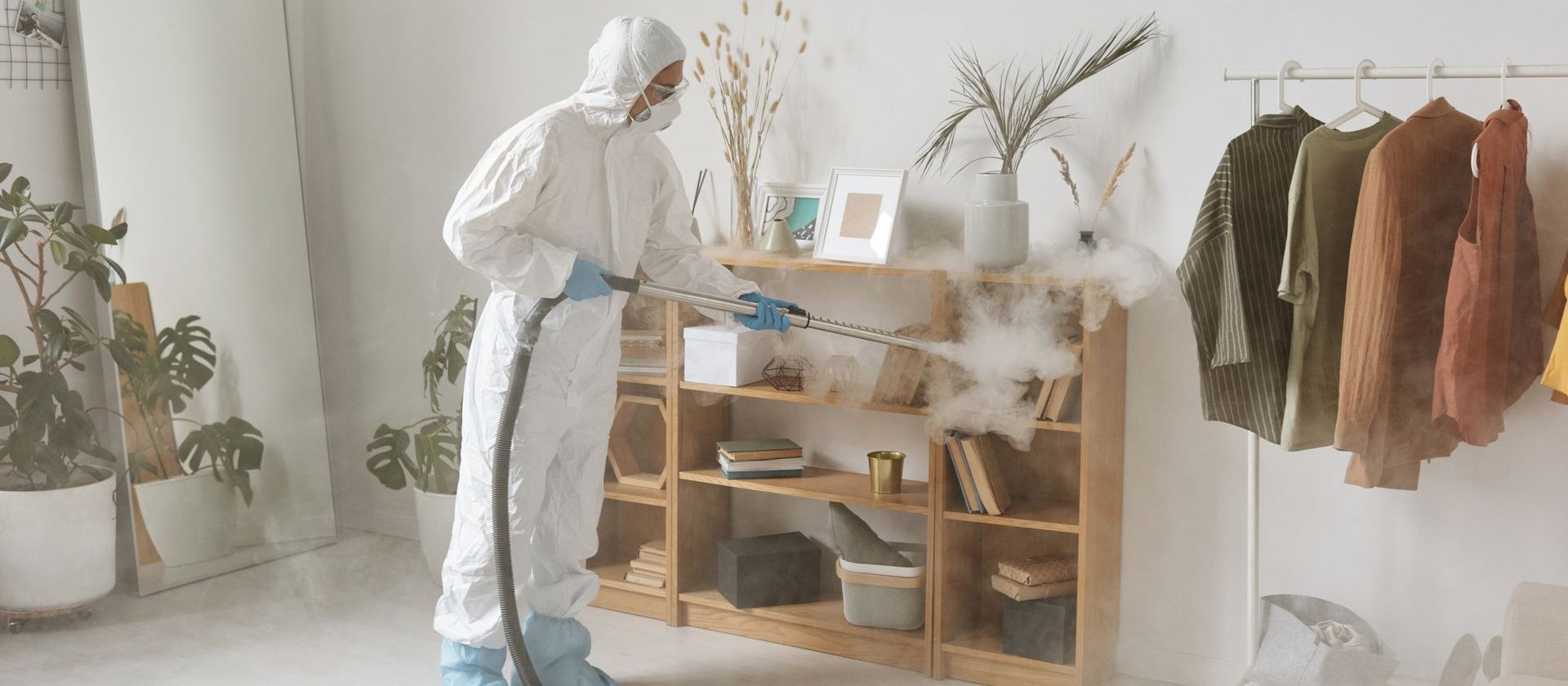
A sharp photo on WhatsApp settles most of these quickly. If you have confirmed bed bugs and want to know what the treatment day involves, read our bed bug removal page, or see bed bug control in Cape Town for the full picture. Local notes for Sea Point and Observatory are in the suburb list below.
Quick answers
Should I throw away my mattress?
Usually not. Mattresses can be treated and sealed in an encasement, and dragging an infested mattress through the house can spread the bugs further.
How long does it take to get rid of them?
Most homes are clear after two or three visits over several weeks, depending on how established the infestation is and how well the preparation is done.
Can you check my guest house regularly?
Yes, we can arrange routine inspections and monitoring as part of a contract, which catches new introductions before guests notice.
How long must we stay out of the room?
Typically a few hours until treated surfaces are dry. You can sleep in the room that night, and we actually want you to.
Why do you need to come back?
The eggs are protected and hatch over the next one to two weeks. The return visit kills those nymphs before they can breed.
What do I do with clothes in the cupboard?
Wash and tumble-dry them on hot, then keep them sealed in bags until treatment is complete. Items that cannot be washed can often go in a hot tumble dryer for a cycle.