

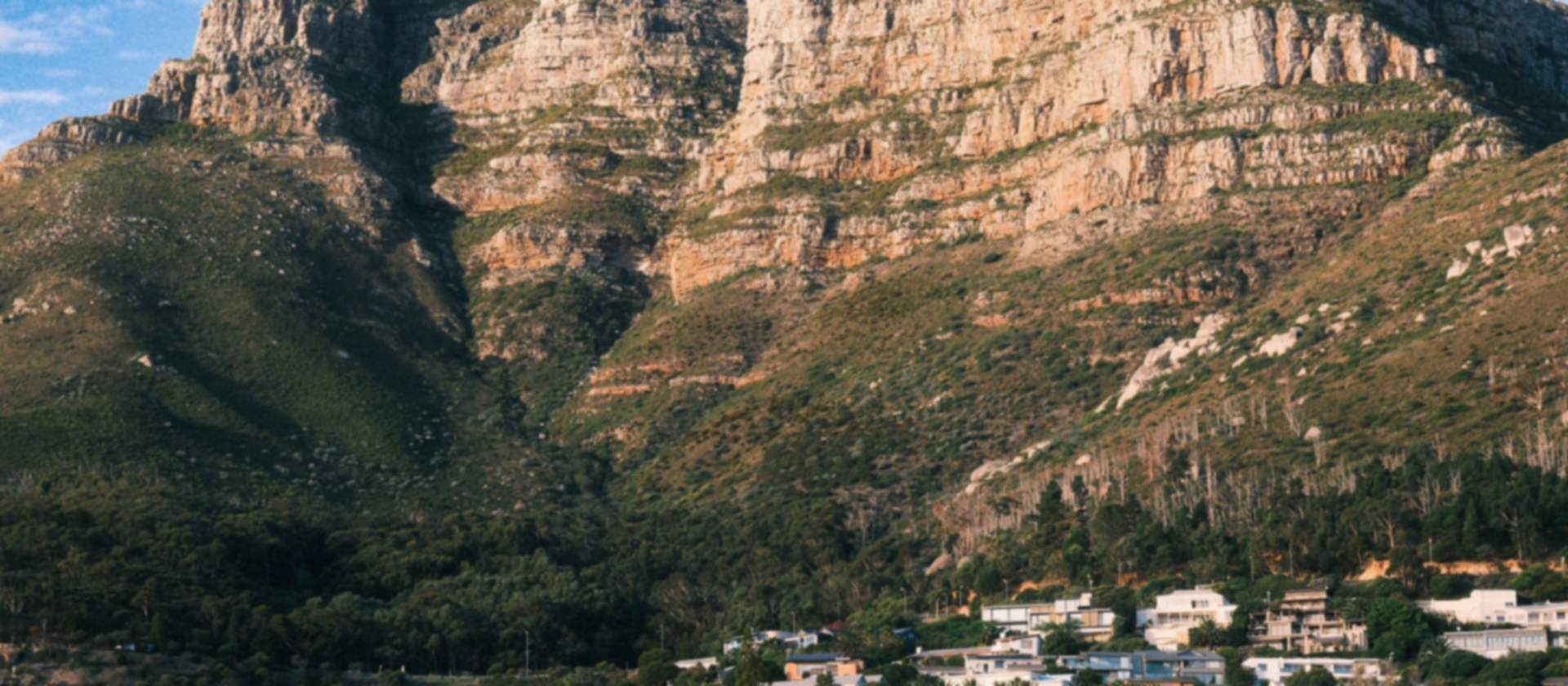

Rondebosch is old Cape Town: oak trees, Victorian houses, big schools and the UCT campus spilling down the slope toward Main Road.
The local picture in Rondebosch
There's a real mix. Victorian and Edwardian homes with timber floors and pressed-ceiling roofs sit next to student digs, blocks of flats and large school and university buildings.
From the technician
Dogs that dig and paw at things in the garden are often the ones that get stung. Keeping rockeries and woodpiles away from the areas where pets play helps a lot.
How to tell you have a problem
Tick every sign you have noticed. It takes ten seconds.
Why it matters: Most scorpion stings in the Western Cape cause local pain and swelling similar to a bee sting. Stings from thick-tailed Parabuthus species can be much more serious, especially for small children, the elderly and people with medical conditions, and need prompt medical attention. Pets, particularly curious dogs and cats, can also be stung. If someone is stung by a thick-tailed scorpion or shows symptoms such as muscle weakness, trouble swallowing or difficulty breathing, get medical help straight away.
How the treatment works
Scorpions are harder to kill with contact sprays than most insects, so we focus on a combination of habitat reduction and targeted treatment. We apply a residual treatment to entry points, door thresholds, wall bases, airbricks and known hiding spots around the outside of the house. Because scorpions follow their food, we also treat for crickets, cockroaches and other insects that attract them. Where burrows are found, they can be treated directly. We pair this with practical advice on clearing debris and sealing gaps, which is often what makes the biggest difference.
Want the full step-by-step? See how our scorpion control service works.
Stopping a repeat visit
- Move rubble, firewood, bricks and loose stones away from the walls of the house.
- Fit brush strips under doors and seal gaps around pipes, airbricks and window frames.
- Shake out shoes, boots and towels before using them, especially those left outside or on the floor.
- Wear gloves when gardening, moving stones or clearing debris.
- Use yellow or warm-coloured outside lights to attract fewer insects, which means fewer scorpions hunting them.
Pricing, honestly
The cost depends on the size of the property and garden, how much hiding space there is in rockeries and walls, and whether an insect treatment is needed to reduce their food. Properties on the edge of open veld or fynbos tend to have more ongoing pressure and may benefit from regular treatments. Follow-ups and any contract options are included in a free quote.
Scorpions are most active in the warm months from late spring to early autumn, especially on hot, still nights. The first rains of the season can flood burrows and drive them indoors or into garages. In winter they become much less active and stay in their burrows.
Questions we get asked in Rondebosch
What should I do if someone is stung?
Keep the person calm, note what the scorpion looked like or take a photo, and get medical advice. If it was a thick-tailed scorpion or there are symptoms like weakness or breathing trouble, go to a doctor or emergency unit straight away.
Can you treat a student house in Rondebosch during the holidays?
Yes, holidays are the best time because rooms are empty and can be treated properly. Weekend and after-hours visits can also be arranged on request.
Do you come out to Rondebosch for scorpion control?
Yes. Rondebosch is part of our regular Southern Suburbs route, along with Newlands, Rosebank, Claremont, Rondebosch East. Most bookings are done within about 48 hours, and after-hours visits can be arranged.
How do I tell a dangerous scorpion from a harmless one?
Look at the pincers and tail. Big, heavy pincers with a thin tail usually means mild venom; small pincers with a thick tail means you should be careful. Send us a photo if unsure.
Why do scorpions come indoors?
They come in hunting insects or looking for shelter, often after rain floods their burrows or on hot nights. Gaps under doors and around pipes make it easy for them.
Are scorpions in Cape Town dangerous?
Most are not, but thick-tailed Parabuthus species can deliver a serious sting. Treat any scorpion with a thick tail and slender pincers with caution.
Office 021 012 5825 · WhatsApp us
